Is Tampa Still a Good Real Estate Investment in 2026 Explained
Legacy Group Tampa | January 9, 2026
Real estate investors and informed buyers want more than hype when evaluating Tampa’s investment potential as the market moves through 2025 and into 2026. This article is written for investors, second home buyers, and financially minded homeowners who want a realistic, data driven view of Tampa real estate. It examines performance, pricing behavior, rental fundamentals, and risk using local market conditions, including trends seen across the broader Tampa real estate market.
Tampa Real Estate Market Performance Heading Into 2026
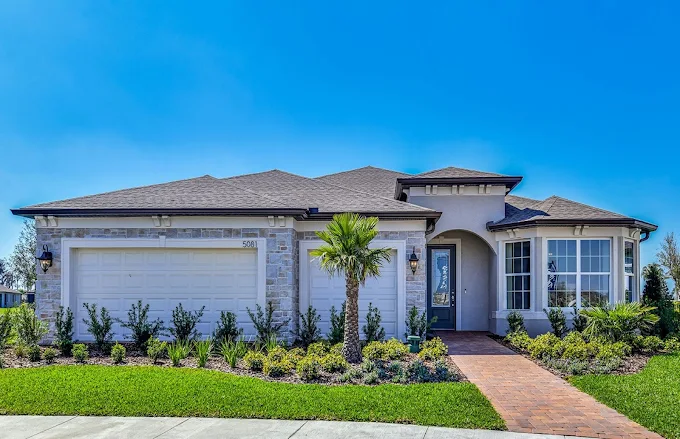
Tampa’s real estate market has transitioned from years of aggressive appreciation into a more balanced environment defined by normalization rather than decline. Higher interest rates throughout 2024 and 2025 slowed transaction volume, increased days on market, and reduced extreme bidding war scenarios. This shift has created a healthier market where pricing reflects fundamentals such as income levels, employment growth, and long term demand instead of short term urgency.
By late 2025, median sale prices across Tampa hovered in the low to mid $400,000 range depending on neighborhood and housing type. Buyers and investors now place greater weight on accurate market value supported by a professional appraisal rather than relying on appreciation momentum. This environment rewards disciplined analysis and long term strategy over speculative buying.
Population Growth and Demand Drivers in the Tampa Area
Population growth continues to underpin Tampa’s long term housing demand, even as migration has cooled from pandemic era peaks. Tampa remains attractive due to Florida’s tax structure, job growth, and lifestyle appeal, drawing residents from higher cost regions. Demand patterns differ by location, with established urban areas such as South Tampa and Hyde Park appealing to buyers prioritizing walkability and proximity to employment.
Growth oriented communities also play a major role in sustaining demand. Suburban and master planned areas like Wesley Chapel, Land O Lakes, and Lutz continue to attract families seeking newer construction and long term value. For investors, understanding how population trends translate into sustained housing demand is more important than tracking short term price movements.
Home Prices, Appreciation Trends, and Market Stability
Home prices across the Tampa region experienced modest correction and stabilization throughout 2025. Increased inventory and affordability constraints reduced upward pressure on prices, giving buyers more negotiating power and encouraging realistic offer price strategies. This shift has reduced volatility and helped establish a more predictable pricing environment.
Market stability also changes how buyers evaluate value across neighborhoods such as Seminole Heights and Carrollwood. Instead of chasing appreciation alone, investors are increasingly focused on comparative analysis, long term equity accumulation, and how purchase decisions align with projected holding periods and exit plans.
Rental Demand, Cash Flow, and Long Term Holding Potential
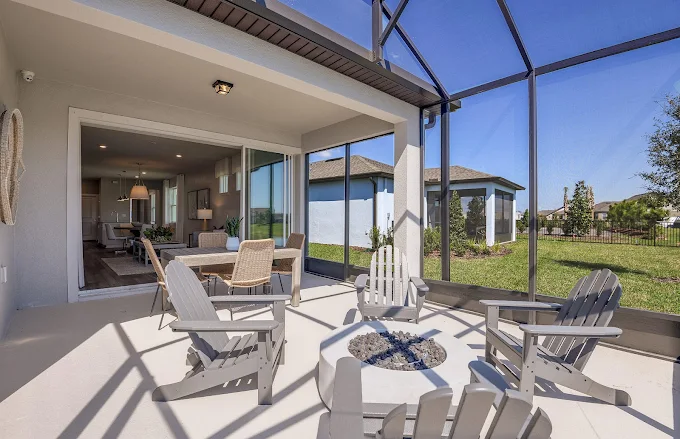
Rental demand in the Tampa area has remained resilient, supported by steady population growth and relative affordability compared to many coastal markets. Tampa attracts a diverse tenant base that includes young professionals, relocating households, and seasonal residents, which helps stabilize occupancy even during slower sales cycles.
For income focused investors, rental performance plays a central role in long term strategy. Understanding ongoing expenses such as property taxes, insurance, and financing costs is essential when projecting returns. Investors who evaluate deals using realistic assumptions and conservative cash flow models are better positioned to benefit from steady income and gradual equity growth.
Risks, Costs, and Market Factors Investors Should Weigh
Tampa real estate is not without risk, particularly as affordability remains a challenge for many buyers. Rising insurance premiums, financing costs, and closing related expenses such as closing costs can materially affect returns. Investors must also consider debt obligations and how debt to income ratios impact financing flexibility.
In a market defined by moderation rather than rapid appreciation, successful investment depends on fundamentals and risk management. Buyers who account for taxes, insurance, maintenance, and long term holding costs, while working with an experienced buyers agent, are better equipped to navigate Tampa’s evolving market. This approach favors informed decision making over speculation and positions investors for sustainable performance over time.